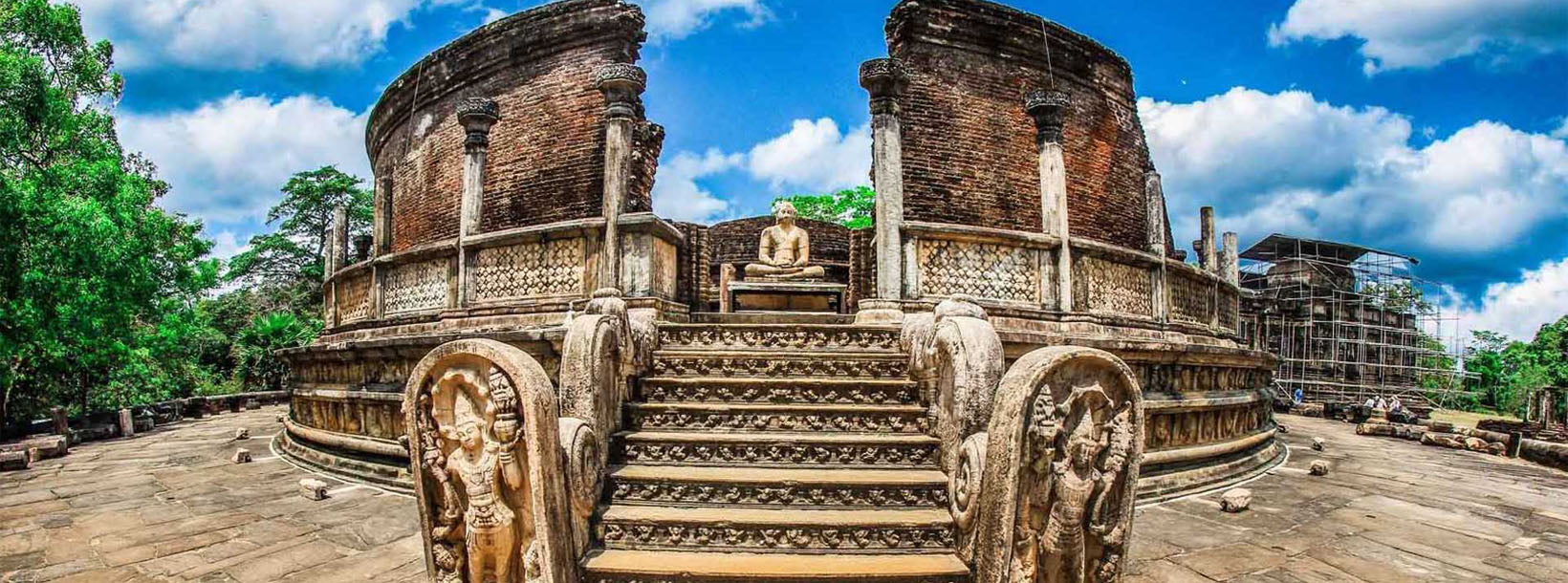
Kiri Vehera Stupa

OOOOOOO OOOOOOO OOOOOOO

Kiri Vehera Stupa is an ancient Buddhist monument located in the historical city of Polonnaruwa, Sri Lanka. This sacred stupa, built during the reign of King Parakramabahu I in the 12th century, is one of the most important and well-preserved religious sites in the area. The name "Kiri Vehera" translates to "Milk Stupa," reflecting its pristine white appearance and its significance in Sri Lanka’s Buddhist heritage.

The stupa is renowned for its large, dome-shaped structure, which is surrounded by beautifully carved stone pillars and ancient ruins. It is believed to house relics of the Buddha, making it a major pilgrimage site for Buddhists. The surrounding environment, with its lush greenery and tranquil atmosphere, adds to the spiritual significance of the site, offering visitors a place of peace and reflection.

Visitors to Kiri Vehera Stupa can explore the site’s archaeological remnants, including stone inscriptions, smaller shrines, and ancient monastic complexes. The stupa’s serene setting amidst the cultural triangle of Sri Lanka makes it a popular destination for tourists and pilgrims alike, offering a glimpse into the island’s rich Buddhist history.

The best time to visit Kiri Vehera Stupa is during the dry season, from December to April, when the weather is ideal for sightseeing and exploring the ruins of Polonnaruwa. The site is easily accessible from the city, providing a meaningful experience for those interested in Sri Lanka’s ancient Buddhist architecture and history.

OOOOOOO OOOOOOO OOOOOOO

පොළොන්නරුව දිස්ත්‍රික්කය ගැන

පොළොන්නරුව ශ්‍රී ලංකාවේ උතුරු මැද පළාතේ දෙවන විශාලතම නගරයයි. යුනෙස්කෝව විසින් ලෝක උරුම අඩවියක් ලෙස ප්‍රකාශයට පත් කර ඇති පොළොන්නරුව පුරාණ නගරයට ජයග්‍රහණ සහ අරගලයේ විශිෂ්ට ඉතිහාසයක් ඇති අතර සංස්කෘතික ත්‍රිකෝණයේ තුන්වන අංගය නිවැරදිව සාදයි. මහනුවර සිට කිලෝමීටර් 140 ක් පමණ ඊසාන දෙසින් පිහිටා ඇති පොළොන්නරුව, ඉතිහාසය සහ සංස්කෘතික ලෝලීන්ට නිමක් නැති සතුටක් ලබා දෙයි, මන්ද එහි වැදගත්කමක් ඇති බොහෝ දර්ශන තිබේ.

අද පවතින භෞතික නටබුන් බොහොමයක් පළමුවන පරාක්‍රම බාහු රජුට හිමිවන අතර ඔහු උද්‍යාන, ගොඩනැගිලි, වාරිමාර්ග පද්ධති ආදිය ඇතුළුව නගර සැලසුම් සඳහා රාජකීය සම්පත් රාශියක් වැය කළේය. ඔහුගේ පාලන සමය ස්වර්ණමය යුගයක් ලෙස සැලකේ, එහිදී දූරදර්ශී පාලකයෙකු යටතේ රාජධානිය සමෘද්ධිමත් වී සමෘද්ධිමත් විය. පරාක්‍රම සමුද්‍රය දැවැන්ත වැවක් වන අතර එහි අනුග්‍රාහකයාගේ නමින් නම් කර ඇත. ජනප්‍රිය රජවරුන්ගේ රාජකීය මාළිගාව, අලංකාර ලෙස කැටයම් කරන ලද ගල් අලි ඇතුන් විසින් වට කරන ලද ප්‍රේක්ෂක ශාලාව සහ නාන තටාකය එකල උසස් ඉංජිනේරු හැකියාවන් පිළිබිඹු කරයි.

උතුරු මැද පළාත ගැන

රටේ විශාලතම පළාත වන උතුරු මැද පළාත රටේ මුළු භූමි ප්‍රමාණයෙන් 16% ක් ආවරණය කරයි. උතුරු මැද පළාත පොළොන්නරුව සහ අනුරාධපුර නමින් දිස්ත්‍රික්ක දෙකකින් සමන්විත වේ. අනුරාධපුරය ශ්‍රී ලංකාවේ විශාලතම දිස්ත්‍රික්කයයි. එහි වර්ග ප්‍රමාණය කිලෝමීටර 7,128 කි.

උතුරු මැද පළාතේ ආයෝජකයින්ට තම ව්‍යාපාර ආරම්භ කිරීමට බොහෝ විභවයන් ඇත, විශේෂයෙන් කෘෂිකර්මාන්තය, කෘෂිකාර්මික පාදක කර්මාන්ත සහ පශු සම්පත් අංශ. උතුරු මැද පළාතේ ජනතාවගෙන් 65% කට වඩා වැඩි පිරිසක් මූලික කෘෂිකර්මාන්තය සහ කෘෂිකාර්මික පාදක කර්මාන්ත මත යැපෙති. පළාතේ මධ්‍යම හා මහා පරිමාණ වැව් 3,000 කට වඩා පිහිටා ඇති බැවින් උතුරු මැද පළාත "වේව් බැඳි රජ්ජේ" ලෙසද හැඳින්වේ. ශ්‍රී මහා බෝධිය, රුවන්වැලි සෑය, ථූපාරාම දාගැබ, අභයගිරි ආරාමය, පොළොන්නරුව රන්කොත් වෙහෙර, ලංකාතිලක යන ප්‍රදේශ බියට පත්ව සිටිති.