
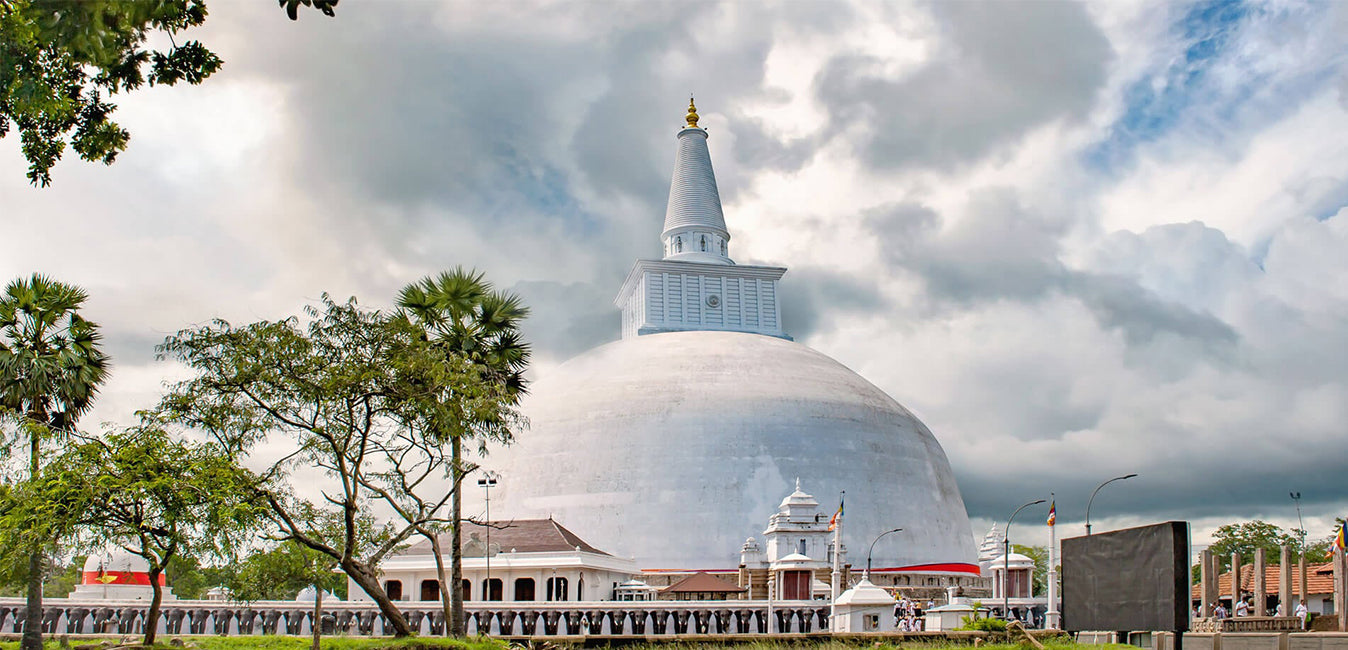
අභයගීර් ස්තූපය


අභයගිරි ස්තූපය යනු ශ්රී ලංකාවේ ඇති වැදගත්ම සහ පැරණි බෞද්ධ ස්ථූපවලින් එකකි. ක්රිස්තු පූර්ව පළමුවන සියවසේ වට්ටගාමණි අභය රජුගේ පාලන සමයේදී ඉදිකරන ලද මෙම ස්ථූපය ශ්රී ලංකාවේ විශාලතම ස්ථූපයන්ගෙන් එකක් වන අතර එය අතිමහත් ඓතිහාසික, ආගමික සහ වාස්තු විද්යාත්මක වැදගත්කමක් දරයි. එය බුදුන්ගේ ධාතු තැන්පත් කිරීම සඳහා ඉදිකරන ලද අතර එය වන්දනා හා නමස්කාරය සඳහා ප්රධාන ස්ථානයකි.
ස්තූපයේ සාම්ප්රදායික ගෝලාකාර හැඩැති සැලසුමක්, මධ්යම ධාතු කුටියක් ඇති අතර එය ආරාම ගොඩනැගිලි සහ සිද්ධස්ථාන සංකීර්ණයකින් වටවී ඇත. අභයගිරි ස්ථූපය එහි හොඳින් සංරක්ෂණය කර ඇති වාස්තු විද්යාත්මක ශෛලිය සඳහා ප්රසිද්ධය, එයට පුරාණ දේශන ශාලා, නාන පොකුණු සහ භික්ෂූන් සඳහා නේවාසික නිවාසවල නටබුන් ඇතුළත් වේ. මෙම ස්තූපය ශ්රී ලංකාවේ බුද්ධාගමේ දියුණුව සඳහා ද කේන්ද්රීය කාර්යභාරයක් ඉටු කළ අතර ඉගෙනීමේ සහ ආගමික පිළිවෙත් සඳහා මධ්යස්ථානයක් ලෙස සේවය කළේය.
අභයගිරි ස්තූපයට පැමිණෙන අමුත්තන්ට අවට පුරාවිද්යාත්මක භූමිය ගවේෂණය කළ හැකි අතර, එහි කැපී පෙනෙන ගල් කැටයම්, සෙල්ලිපි සහ පුරාණ ව්යුහයන්ගේ නටබුන් ඇතුළත් වේ. මෙම ස්ථානයේ ඇති සන්සුන් වාතාවරණය භාවනාව සහ පරාවර්තනය සඳහා වඩාත් සුදුසු වන අතර, ශ්රී ලංකාවේ බෞද්ධ ඉතිහාසයට ගැඹුරු සම්බන්ධතාවයක් ලබා දෙයි.
අභයගිරි ස්තූපය නැරඹීමට හොඳම කාලය වියළි කාලයයි, දෙසැම්බර් සිට අප්රේල් දක්වා. එහි කාලගුණික තත්වයන් ක්රමයෙන් යොදාගන්නා ලද අතිරේක යතාර්ථයෙන් හොඳම වන අතර, අනුරාධපුර හි පුරාණ බිම්වලට ගමනේ යාම සඳහා සුදුසු වේ. ස්ථූපය නගරයෙන් පහසුවෙන් ප්රවේශ විය හැකි අතර ශ්රී ලංකාවේ පොහොසත් සංස්කෘතික හා අධ්යාත්මික උරුමයන් ගැන උනන්දුවක් දක්වන අයට අර්ථවත් සහ පොහොසත් අත්දැකීමක් සපයයි.


-
 ශ්රී මහා බෝධිය
ජය ශ්රී මහා බෝධිය යනු ශ්රී ලංකාවේ අනුරාධපුරයේ මහමෙව්නා උද්යානයේ පිහිටි පූජනීය බෝ ගසකි. එය බුදුන් වහන්සේ බුද්ධත්වයට පත් වූ ඉන්දියාවේ බුද්ධ ගයා හි ඓතිහාසික ශ්රී මහා බෝධියේ දකුණු ශාඛාවයි. එය ක්රි.පූ. 288 දී රෝපණය කරන ලද අතර, දන්නා රෝපණ දිනයක් සහිත ලොව පැරණිතම ජීවමාන මිනිසා විසින් රෝපණය කරන ලද ගස වේ.
-
 රුවන්වැලිසෑය
රුවන්වැලි මහා සෑය, මහාථූපය (මහා ථූපය) ලෙසද හැඳින්වෙන මෙය ශ්රී ලංකාවේ අනුරාධපුරයේ පිහිටි ස්ථූපයකි (ධාතු අඩංගු අර්ධගෝලාකාර ව්යුහයකි). බුදුන් වහන්සේගේ ධාතු වලින් සාදන ලද නැලි දෙකක් හෝ එක් දෝනයක් ස්ථූපයේ තැන්පත් කර ඇති අතර, එය ඕනෑම තැනක උන්වහන්සේගේ ධාතු එකතුවෙහි විශාලතම එකතුව බවට පත්වේ. එය ක්රි.පූ. 140 දී පමණ සිංහල රජු වූ දුටුගැමුණු විසින් ඉදිකරන ලද අතර, චෝල රජු එළාර (එලාලන්) පරාජයට පත් වූ යුද්ධයකින් පසු ශ්රී ලංකාවේ රජ බවට පත්විය.
-
 ථූපාරාමය
මහින්දාගමනය ශ්රී ලංකාවට පැමිණීමෙන් පසු ඉදිකරන ලද පළමු බෞද්ධ විහාරස්ථානය ථූපාරාමයයි. මහමෙව්නා උද්යානයේ පූජනීය භූමියේ පිහිටා ඇති ථූපාරාම ස්ථූපය, දේවානම්පියතිස්ස රජුගේ (ක්රි.පූ. 247-207) පාලන සමය දක්වා දිවෙන දිවයිනේ ඉදිකරන ලද පැරණිතම දාගැබ වේ. මෙම විහාරස්ථානය ශ්රී ලංකාවේ පුරාවිද්යාත්මක ස්ථානයක් ලෙස රජය විසින් විධිමත් ලෙස පිළිගෙන ඇත.
-
 ලෝවාමහාපාය
ලෝවාමහාපාය යනු ශ්රී ලංකාවේ අනුරාධපුර පුරාණ නගරයේ රුවන්වැලිසෑය සහ ශ්රී මහාබෝධිය අතර පිහිටා ඇති ගොඩනැගිල්ලකි. වහලය ලෝකඩ උළු වලින් ආවරණය කර තිබූ බැවින් එය පිත්තල මාලිගය හෝ ලෝහ ප්රසාදය ලෙසද හැඳින්වේ. පුරාණ කාලයේ, ගොඩනැගිල්ලට භෝජනාගාරය සහ උපෝසථාගාරය (උපෝසථාගාරය) ඇතුළත් විය.
-
 අභයගිරි දාගැබ
අභයගිරි විහාරය ශ්රී ලංකාවේ අනුරාධපුරයේ පිහිටි මහායාන, ථෙරවාද සහ වජ්රයාන බුද්ධාගමේ ප්රධාන ආරාම ස්ථානයක් විය. එය ලෝකයේ වඩාත්ම පුළුල් නටබුන් වලින් එකක් වන අතර ජාතියේ වඩාත්ම පූජනීය බෞද්ධ වන්දනා නගරවලින් එකකි.
-
 ජේතවනාරාමය
ජේතවනාරාම ස්ථූපය හෝ ජේතවනාරාමය යනු ශ්රී ලංකාවේ යුනෙස්කෝ ලෝක උරුම නගරයක් වන අනුරාධපුරයේ ජේතවනාරාමයේ නටබුන් අතර පිහිටා ඇති ස්ථූපයක් හෙවත් බෞද්ධ ධාතු ස්මාරකයකි. මීටර් 122 (අඩි 400) ක උසකින් යුත් එය ලොව උසම ස්ථූපය වූ අතර, අනුරාධපුරයේ මහාසේන රජු (273–301) විසින් එය ඉදිකරන විට ලෝකයේ තුන්වන උසම ව්යුහය විය.
-
 මිරිසවැටිය ස්ථූපය
මිරිසවැටි ස්ථූපය යනු ශ්රී ලංකාවේ අනුරාධපුර පුරාණ නගරයේ පිහිටා ඇති ස්මාරක ගොඩනැගිල්ලක් වන ස්තූපයකි. දුටුගැමුණු රජු (ක්රි.පූ. 161 සිට ක්රි.පූ. 137 දක්වා) එළාර රජු පරාජය කිරීමෙන් පසු මිරිසවැටි ස්ථූපය ඉදි කළේය. බුද්ධ ධාතු යෂ්ටියේ තැන්පත් කිරීමෙන් පසු, ඔහු යෂ්ටිය අතහැර තිස්ස වැවට ස්නානය සඳහා ගොස් තිබුණි.
-
 ලංකාරාම
ලංකාරාමය යනු ශ්රී ලංකාවේ අනුරාධපුර පුරාණ රාජධානියේ ගල්හෙබකඩ හි පුරාණ ස්ථානයක වළගම්බා රජු විසින් ඉදිකරන ලද ස්ථූපයකි. ස්ථූපයේ පුරාණ ස්වරූපය පිළිබඳව කිසිවක් නොදන්නා අතර පසුව මෙය ප්රතිසංස්කරණය කරන ලදී. නටබුන් වලින් පෙනී යන්නේ ගල් කණු පේළි ඇති බවත් එය ආවරණය කිරීම සඳහා ස්ථූපය (වටදාගෙය) වටා නිවසක් ඉදිකර ඇති බවට සැකයක් නැත.
-
 ඉසුරුමුණිය
ඉසුරුමුණිය යනු ශ්රී ලංකාවේ අනුරාධපුරයේ තිසා වැව (තිසා වැව) අසල පිහිටි බෞද්ධ විහාරස්ථානයකි. මෙම විහාරයේ විශේෂ උනන්දුවක් දක්වන කැටයම් හතරක් ඇත. ඒවා නම් ඉසුරුමුණිය පෙම්වතුන්, අලි පොකුණ සහ රාජකීය පවුලයි. පුරාණ මේඝගිරි විහාරය හෙවත් මේගිරි විහාරය වර්තමානයේ ඉසුරුමුණි විහාරය ලෙස හඳුනාගෙන ඇත.


