
Basella alba
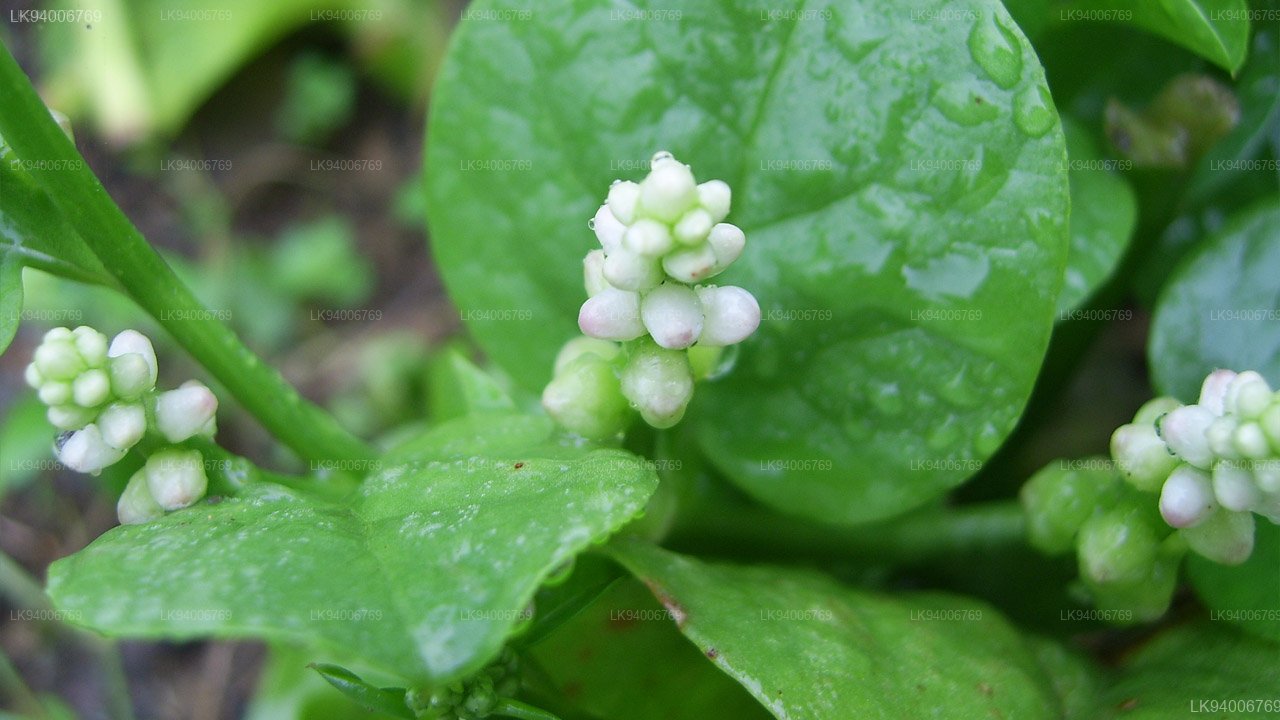
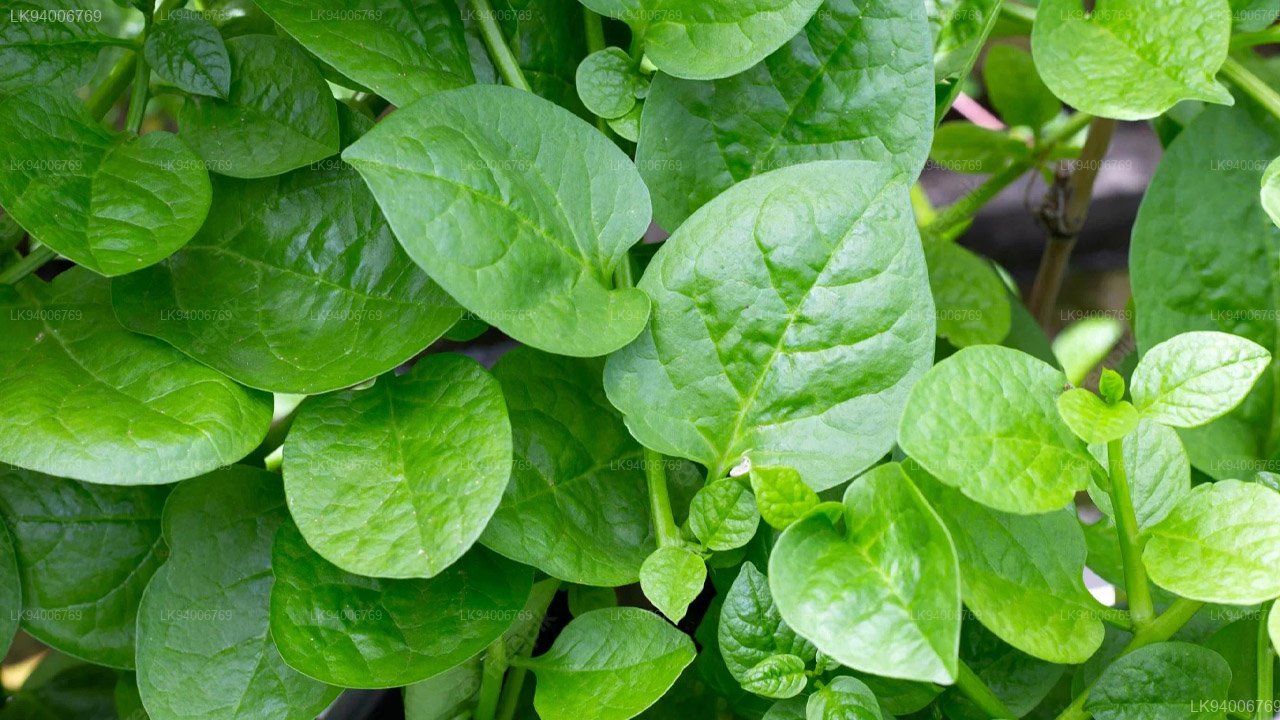
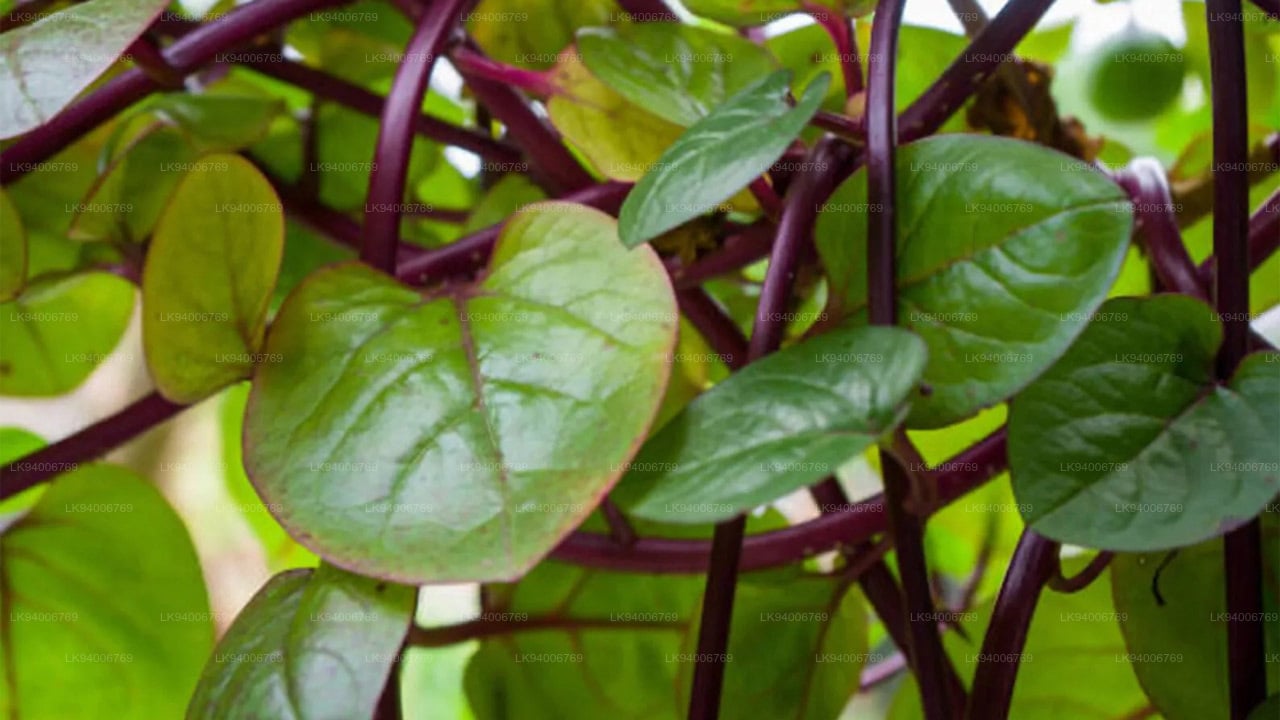
Basella alba, commonly known as Malabar spinach, is a fast-growing, tropical vine in the family Basellaceae. It is native to Southeast Asia and is cultivated in tropical and subtropical regions around the world.
Description
Culinary Use
Health Benefits
Growing Conditions
Varieties

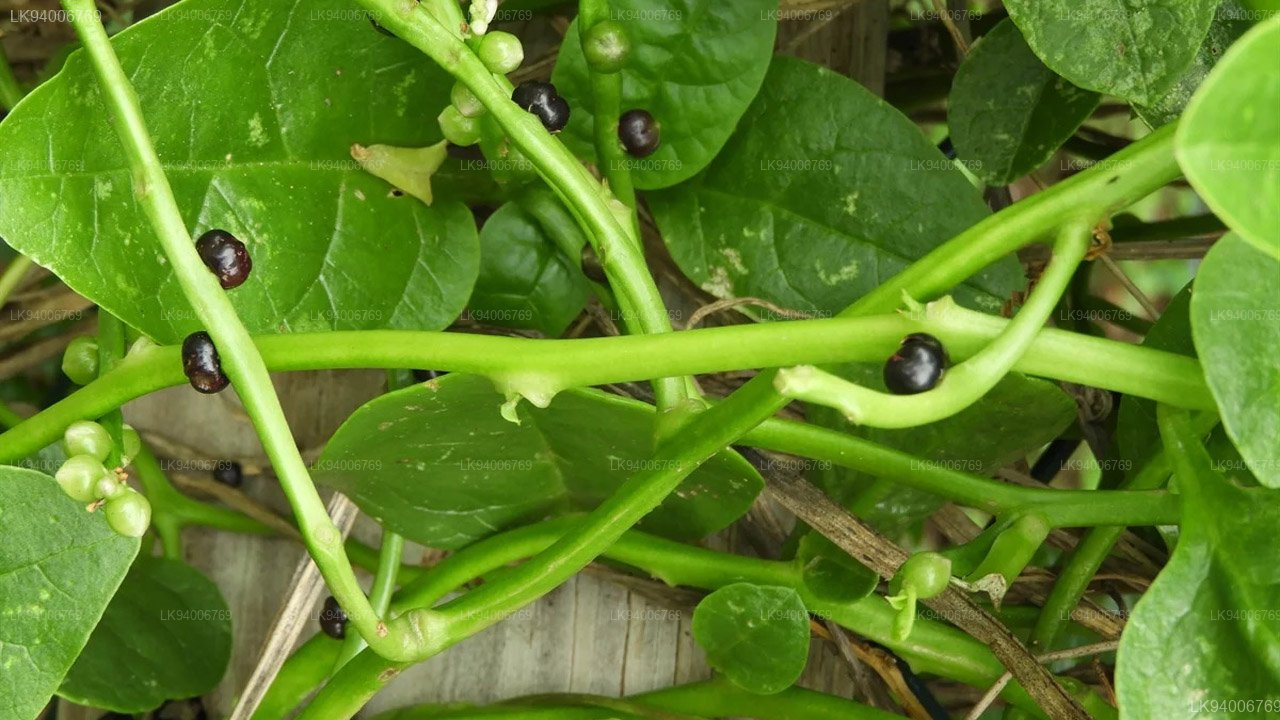
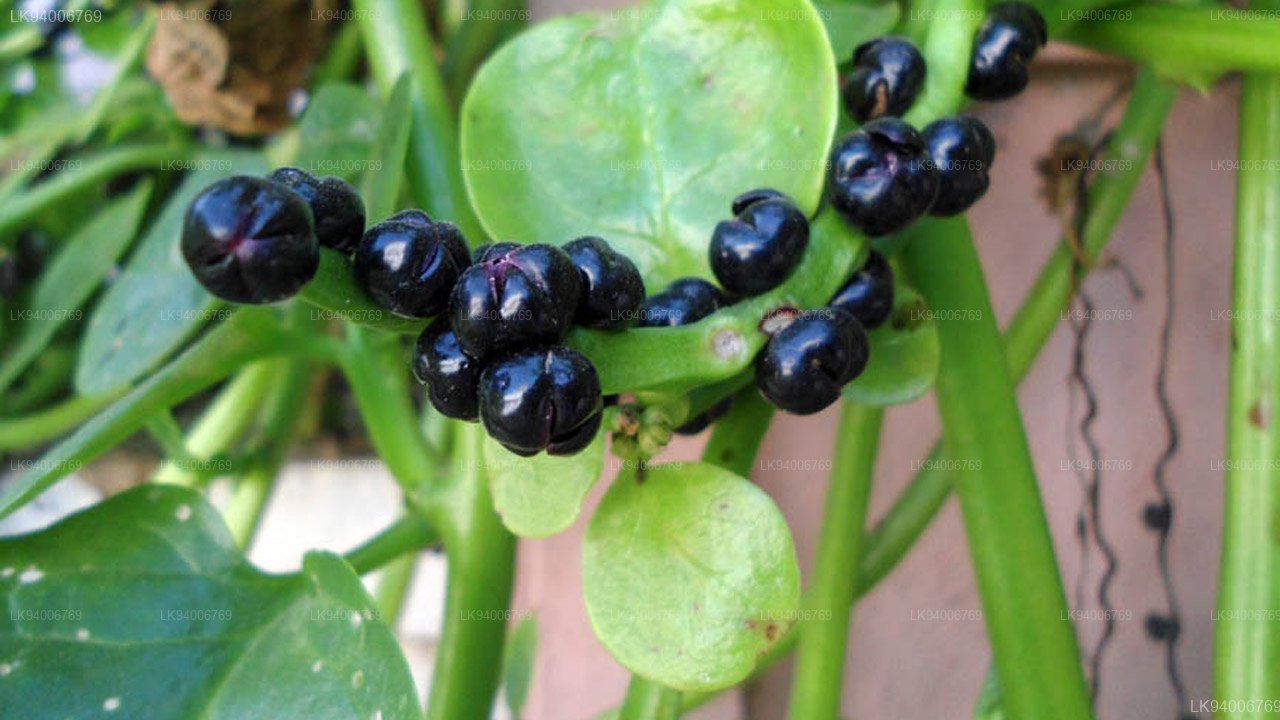
-

Acronychia pedunculata
අංකෙන්ද -

Aegle marmelos
බෙලි -

Leichhardt tree
බක්මී -

Coscinium fenestratum
වෙනිවැල් -

Malabar Gulbel
රසකිඳ/බූකිඳ/වල්කිඳ -

Titberry
බූ කොබ්බෑ -

Ironwood Tree
දැඩිකහ/දොඩං කහ/වැලිකහ -

Velvet Leaf
දියමිත්ත -

කටු තැඹිලි
ඇඹුල් දොඩම් -

රයින්වර්ඩ්ගේ ගස් ශාකය
ගස් නිදිකුම්බා -

ෆුකියන් තේ
හීන් තඹල -

මලබාර් සියඹලා
ගොරකා -

කරපිංචා ගස
කරපිංචා -

Kappetiya
කැප්පෙටියා/ගස් කැප්පෙටියා -

Indian lilac
කොහොඹ -

Sida alba
හීන් බැබිල -

Orange climber
කුඩුමිරිස්ස/කුඩුමිරිස් -

සිලෝන් කුරුඳු
කුරුඳු -

කොස්
කොස් -

කරොන්ඩා
මහ කරඹ -

ස්පාඤ්ඤ චෙරි
මූණ මල් -

ඉන්දියානු ගූස්බෙරි
නෙල්ලි -

බුලත් විට
පුවක් -

Ixora coccinea
රතඹලා -

Alangium salviifolium
පත් අඟුණ/රුක්අඟුන -

Michelia champaca
සපු/ගිනිසපු -

Tamarindus indica
සියඹලා -

Embelia ribes
වලංගසාල්/වල් එම්බිල්ල -

Micromelum ceylanicum
වල් කරපිංචා -

Paramignya monophylla
වෙල්ලන්ගිරිය/යකා බැඳි වැල්


ආයුර්වේද සහ ඖෂධීය
-
සිද්ධාලේප ආයුර්වේද ඖෂධීය බාම්
Regular price From Rs 200.00 LKRRegular priceRs 200.00 LKRSale price From Rs 200.00 LKR -
Link Swastha Triphala
Regular price From Rs 600.00 LKRRegular priceRs 600.00 LKRSale price From Rs 600.00 LKR -
ලක්පුර® වයිල්ඩ්ක්රාෆ්ට් අනෝදා (ගුවානාබානා, ග්රැවියෝලා, ගයාබානෝ) විජලනය කළ කොළ සම්පූර්ණයෙන්ම
Regular price From Rs 300.00 LKRRegular priceRs 300.00 LKRSale price From Rs 300.00 LKR -
සෙත්සුව ප්රණජීව තෙල්
Regular price From Rs 900.00 LKRRegular priceRs 1,000.00 LKRSale price From Rs 900.00 LKRSale


